Where to Put Houseplants: Placement by Window Direction
A houseplant’s place is set by how much light it needs. In the northern hemisphere south-facing windows give the most light and north-facing windows the least; east gets gentle morning sun and west gets harsher afternoon sun. The second factor is distance: a plant right in front of a window can receive 10 to 20 times more light than one on the far side of the same room.
What light levels mean
Labels such as “low light” or “bright indirect light” correspond to ranges of light intensity, measured in lux:
| Light level | Approximate intensity | Where at home |
| Low light | 50 to 500 lux | 2 to 3 m (6 to 10 ft) from a window, north-facing rooms |
| Medium and bright indirect light | 500 to 2,500 lux | 1 to 2 m (3 to 6 ft) from a bright window, behind a sheer curtain |
| Direct light | 2,500 to 10,000+ lux | Right in front of a south or west window |
Without a meter, use the shadow test. At midday, hold your hand about 30 cm (12 in) above the spot where the plant will stand. A sharp, dark shadow means direct light; a clear but soft-edged shadow means bright indirect light; a barely visible shadow means low light.
Placement by window direction
South. The brightest side of the home. Several hours of direct sun, and in winter the low sun reaches deeper into the room. Sun lovers such as yucca, palms and cacti go right at the window; tropical foliage plants a metre or two back or behind a sheer.
East. Soft morning sun, turning to indirect light in the afternoon. The most balanced side for most houseplants: monstera, pothos and most ferns do well here.
West. Hot, strong afternoon sun that can scorch leaves in summer. Pull plants back from the glass or use a sheer curtain.
North. The least and steadiest light, with almost no direct sun. Suits low-light plants such as snake plant, ZZ plant and some trailing vines, and even these should stay near the window.
Distance and height
Light falls off very quickly away from a window. Roughly:
- First 60 cm (2 ft) from the window: bright light
- 1 to 2 m (3 to 6 ft): medium light
- 2 to 3 m (6 to 10 ft) and beyond: low light
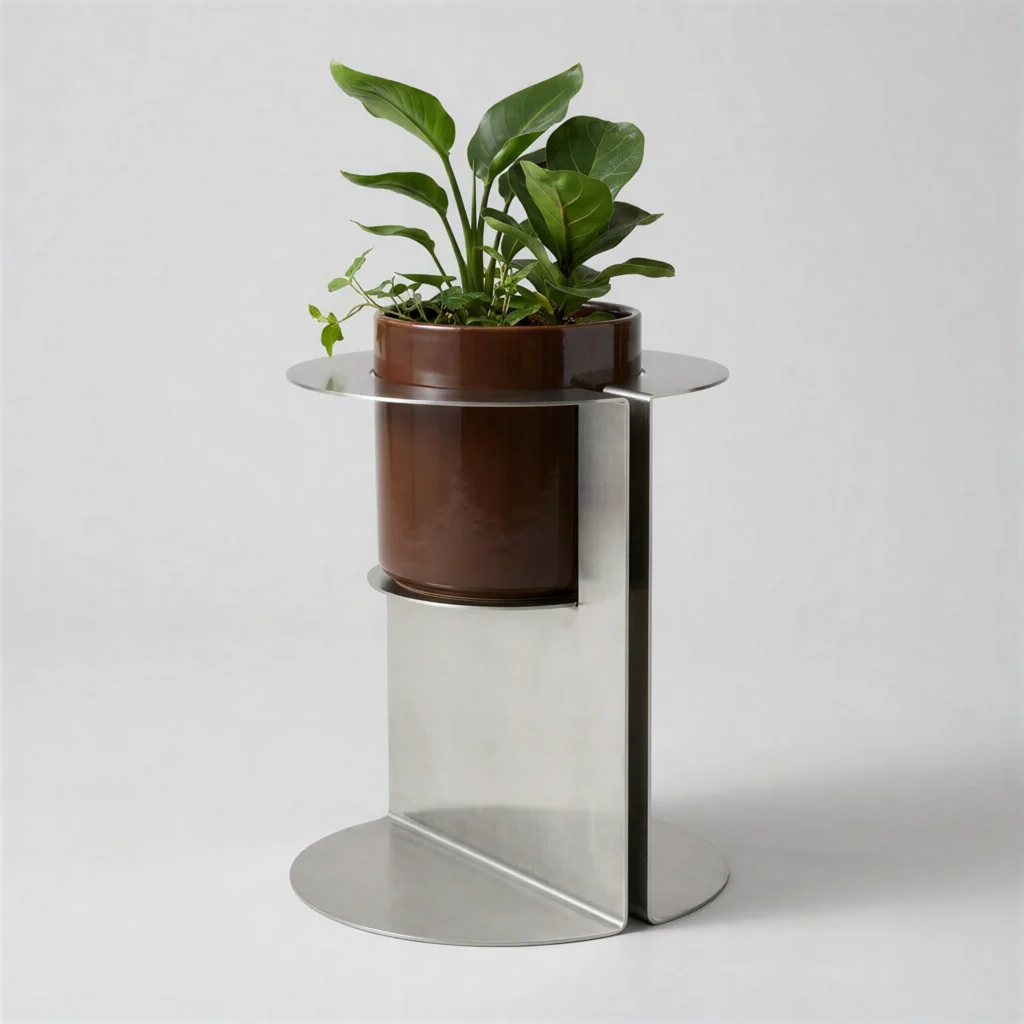
Height matters too. A pot on the floor below the window sill misses much of the light coming through the glass. Bringing the plant up towards sill height increases its light noticeably. A plant stand does two jobs here: it brings the plant closer to the light and to eye level.
Moving plants with the seasons
Days shorten and light weakens in winter. A plant you pulled back from a window in summer can move up to the glass in winter, and the other way round; a west window can be too hot in summer.
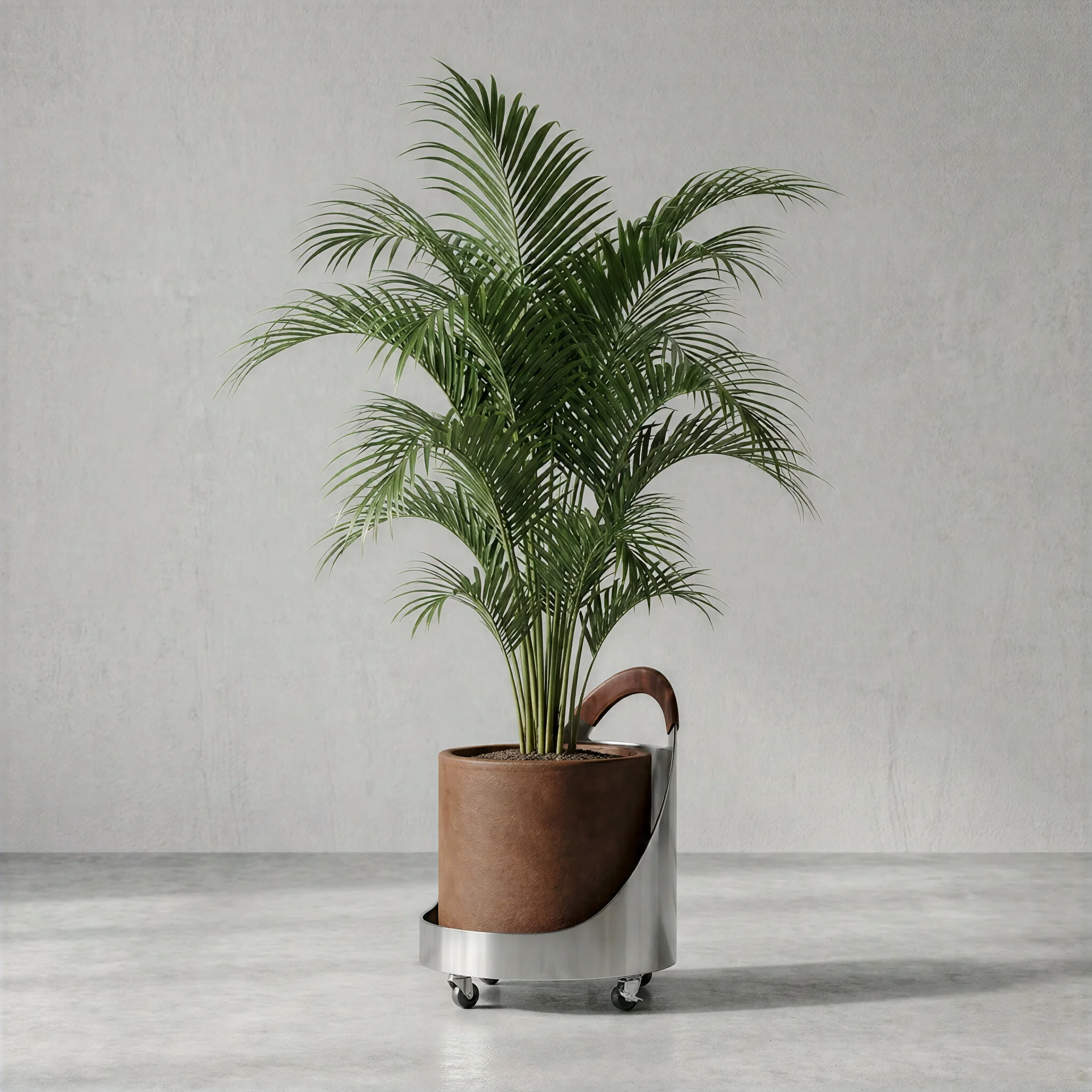
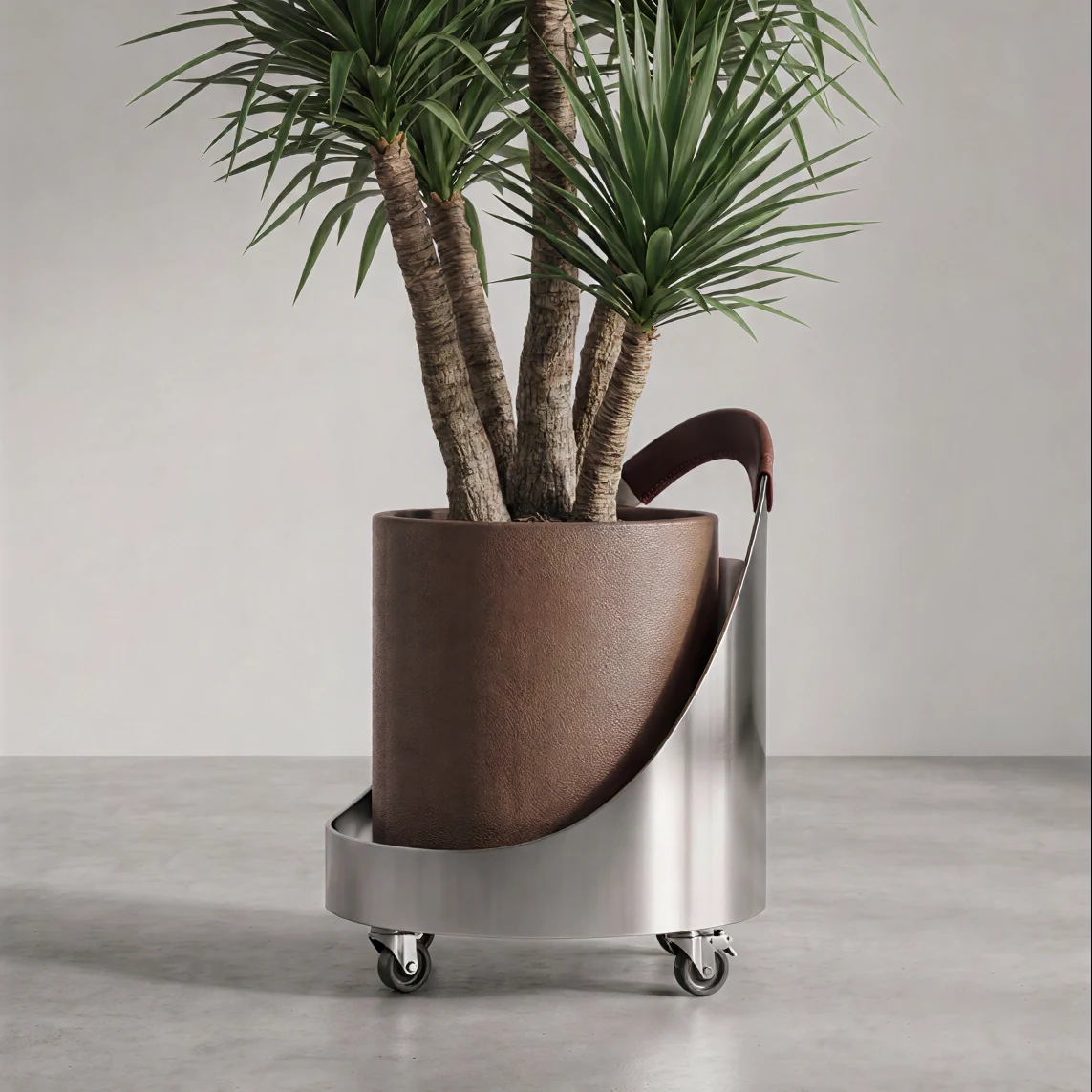
For large, heavy pots this is only practical on wheels. Our post on protecting wood floors from potted plants covers how to make heavy pots mobile and keep floors safe. For plants coming in from the balcony in autumn, see indoor plant display ideas.
Places to avoid
- In front of radiators and heaters: hot, dry air browns leaf tips.
- Beside doors and frequently opened windows: sudden cold draughts stress tropical plants.
- Directly in front of air conditioning: for the same reason.
Frequently asked questions
Can plants grow in a north-facing room?
Yes, if you choose low-light species and keep them close to the window. Snake plant, ZZ plant and pothos can live by a north window. Sun-loving plants stretch and fade there.
How do I know my plant is not getting enough light?
Stems grow long and thin, new leaves are smaller or paler, and the plant leans clearly towards the window. Move it closer to the light.
Should I rotate my plants?
Plants by a window lean towards the light. Turning the pot a quarter turn once a week keeps growth even.
Can a plant burn right in front of a window?
In summer, direct sun through a south or west window can scorch leaves. A sheer curtain, or moving the plant 50 to 100 cm (20 to 40 in) back, is enough.
Sources: University of Minnesota Extension, Lighting for indoor plants